
The Russo-Ukrainian War

Updated: Apr 2
A Blog by DRASInt Risk Alliance
Introduction
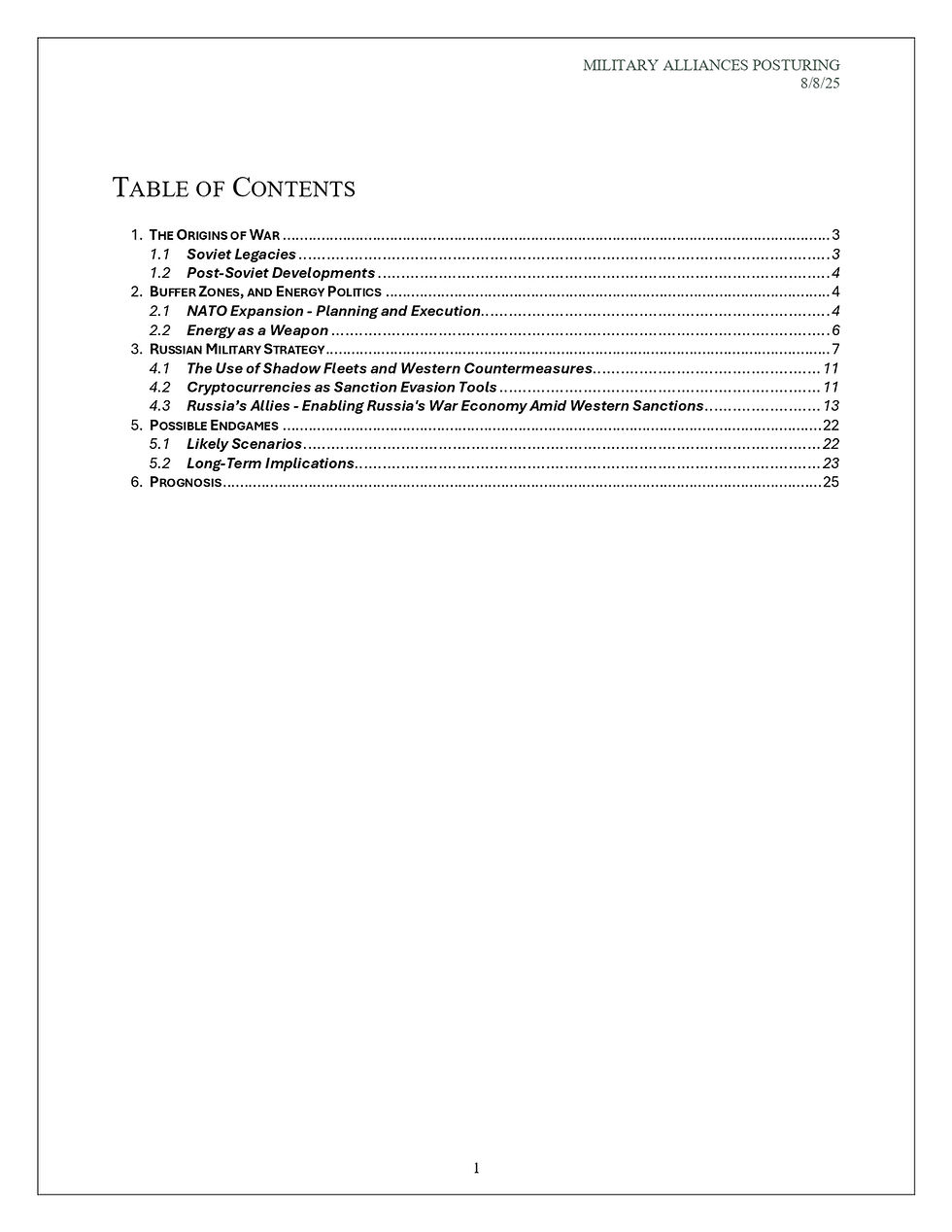
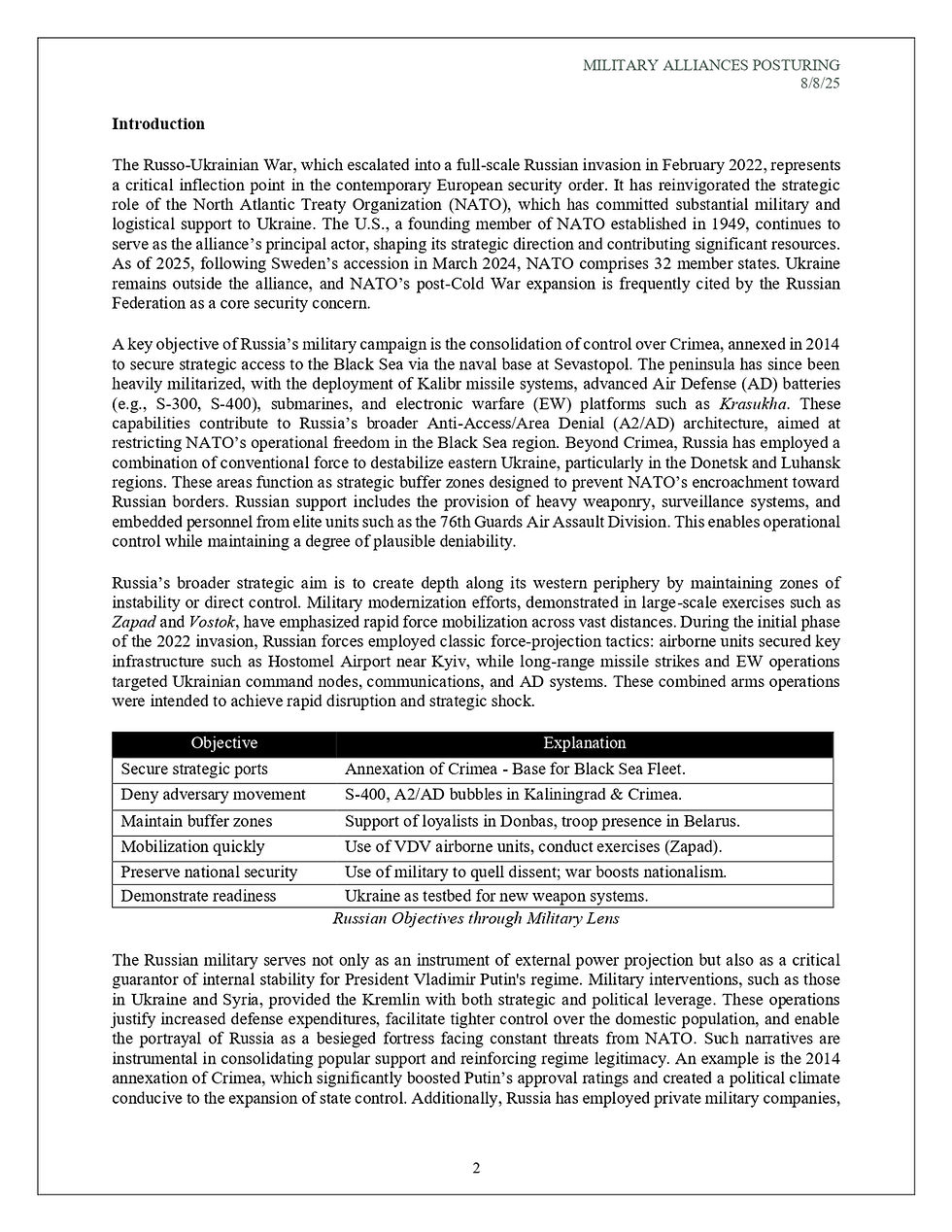
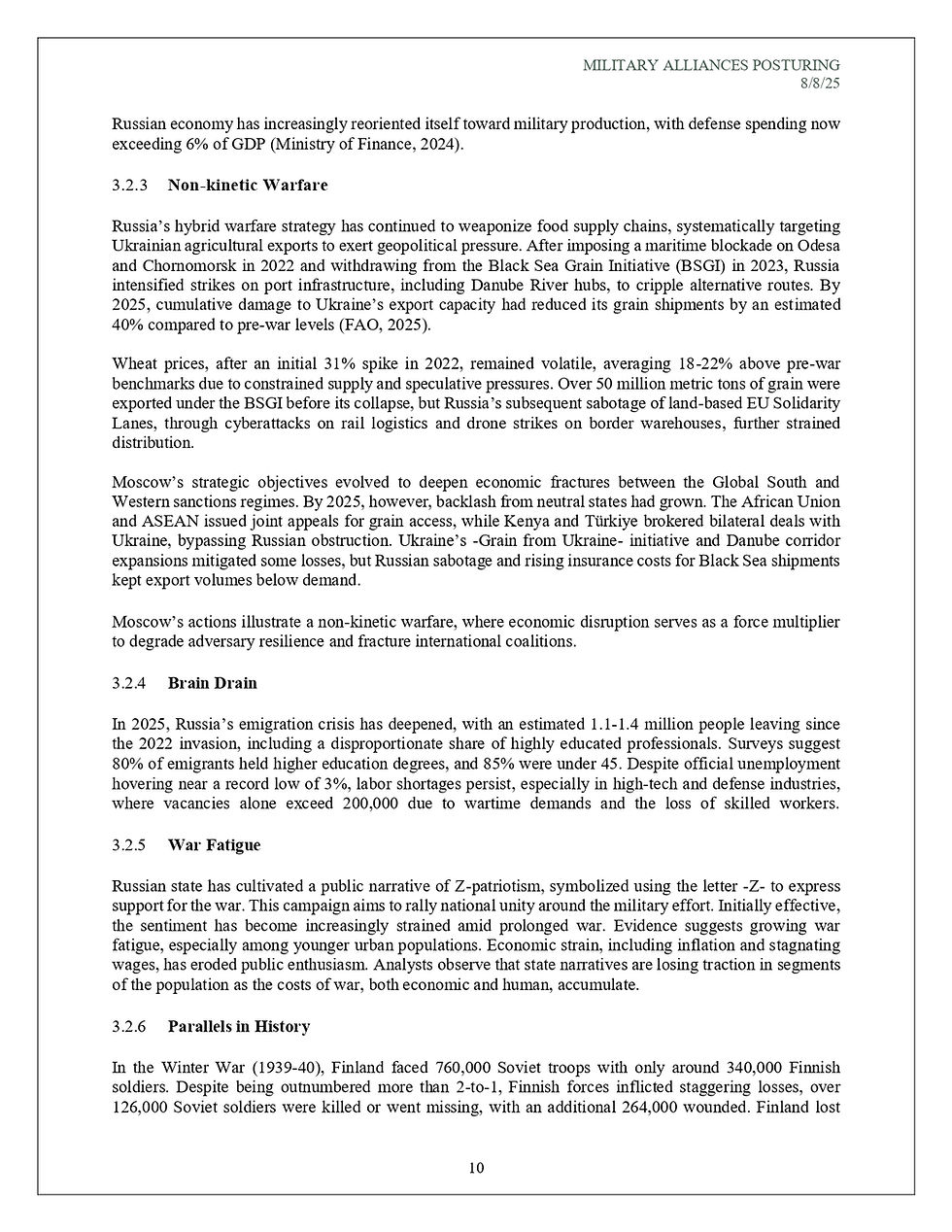
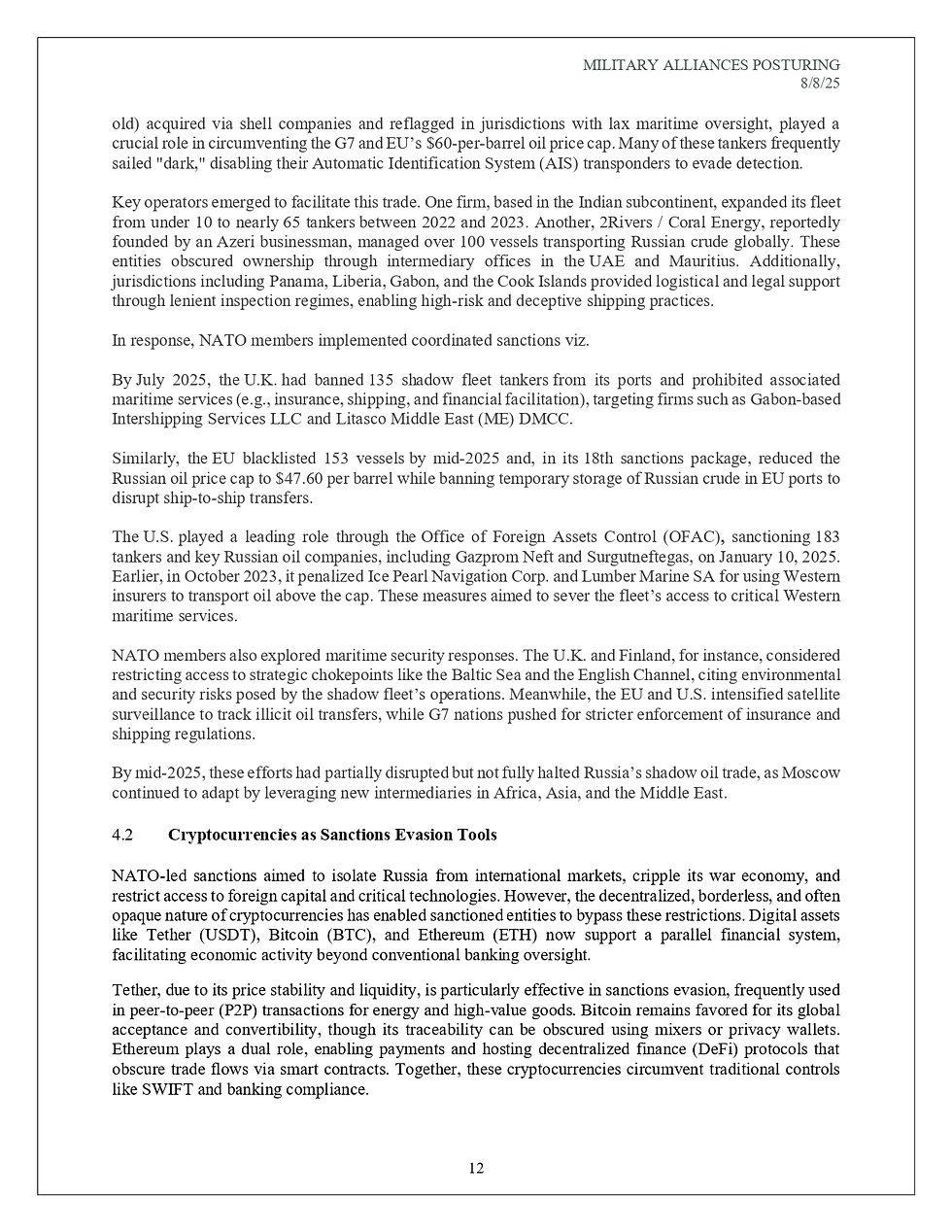
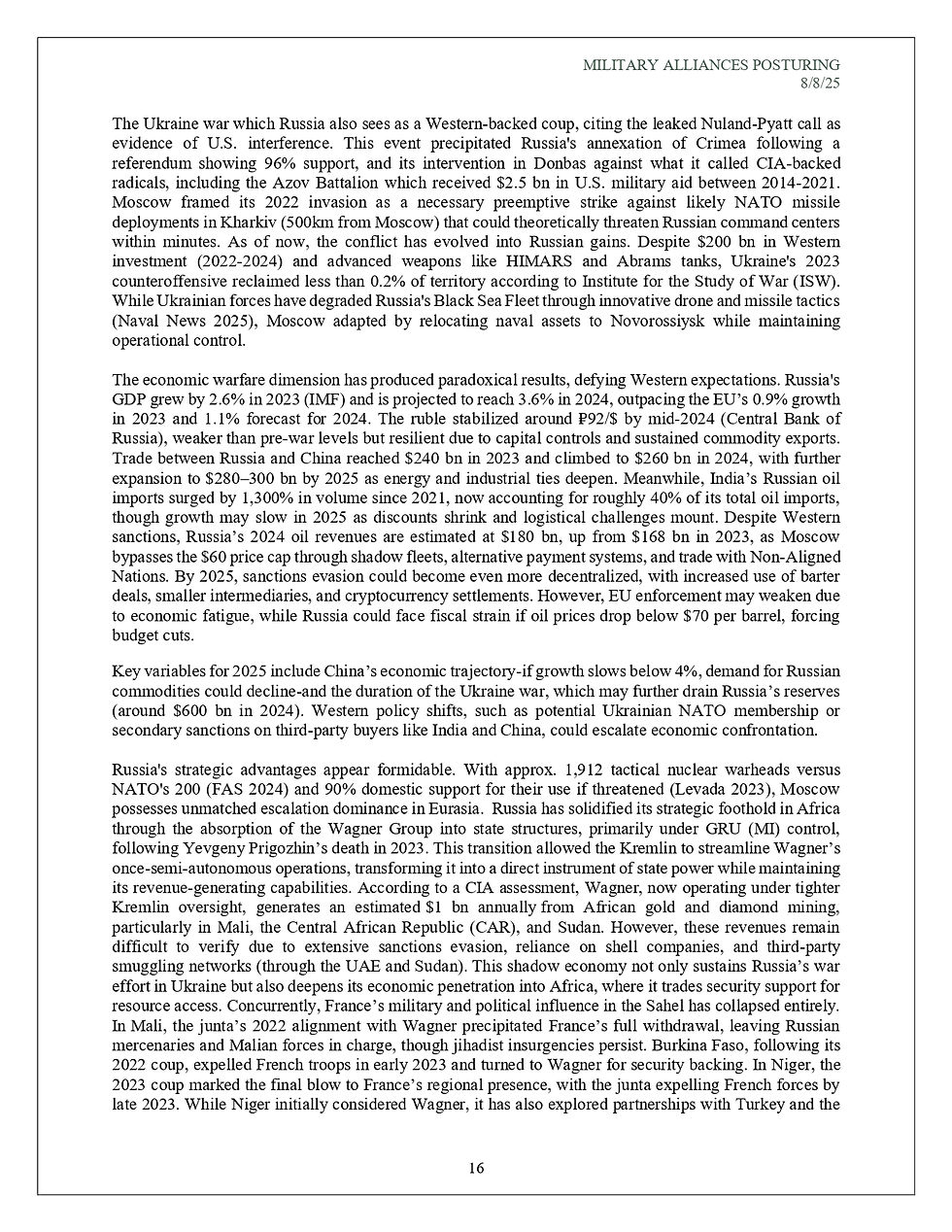
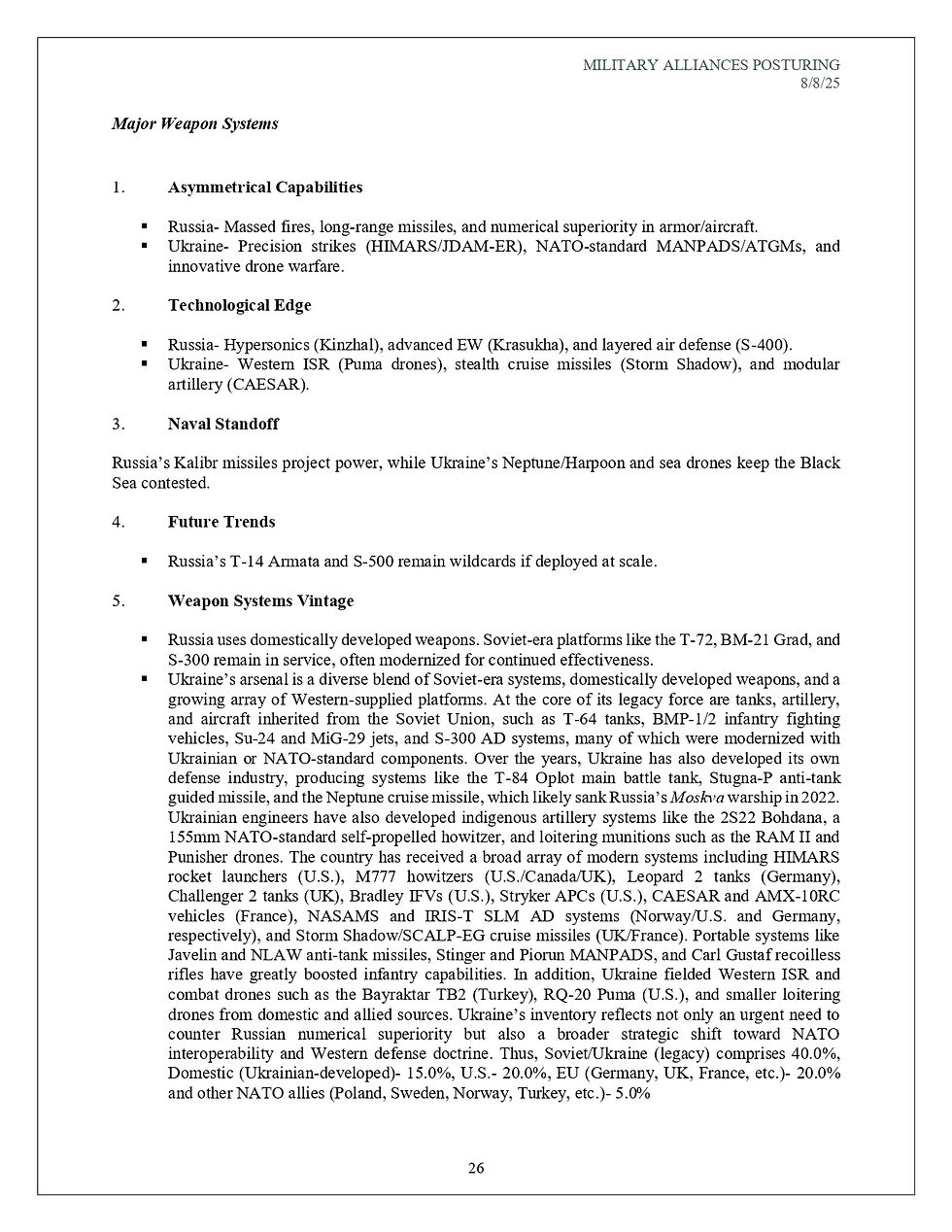
The DRASInt Risk Team’s analysis presents the Russo-Ukrainian War as a critical juncture in the post-Cold War international order, rooted in the geopolitical consequences of Soviet collapse and the perceived threat posed by NATO’s eastward expansion. Central to Russia’s strategic calculus is the maintenance of buffer zones along its western frontier, through the annexation of Crimea and the militarization of eastern Ukraine, to impede further NATO encroachment. The study Highlights Moscow’s employment of hybrid warfare, anti-access/area denial (A2/AD) systems, and rapid-force mobilization as integral to its broader military doctrine. Despite sweeping Western sanctions, Russia has demonstrated significant adaptability, utilizing shadow fleets to reroute oil exports and embracing cryptocurrencies such as Tether and Bitcoin to circumvent financial restrictions, often with the tacit cooperation of states including China, Iran, and Turkey. These mechanisms have enabled Russia to mitigate the economic impact of sanctions, compensating for 30 to 40% of lost export revenues.
The blog identifies two plausible trajectories, a protracted frozen conflict consolidating Russian territorial gains, or a potential Ukrainian collapse resulting from attrition and Western fatigue. In either case, the conflict has already catalyzed a broader transition toward a multipolar global system, weakening Western cohesion and amplifying the strategic influence of BRICS bloc. The study concludes that the war will remain a defining crisis of the decade, with enduring implications for European security architecture, global energy markets, and the risk of escalation between nuclear-armed actors.
Abstract
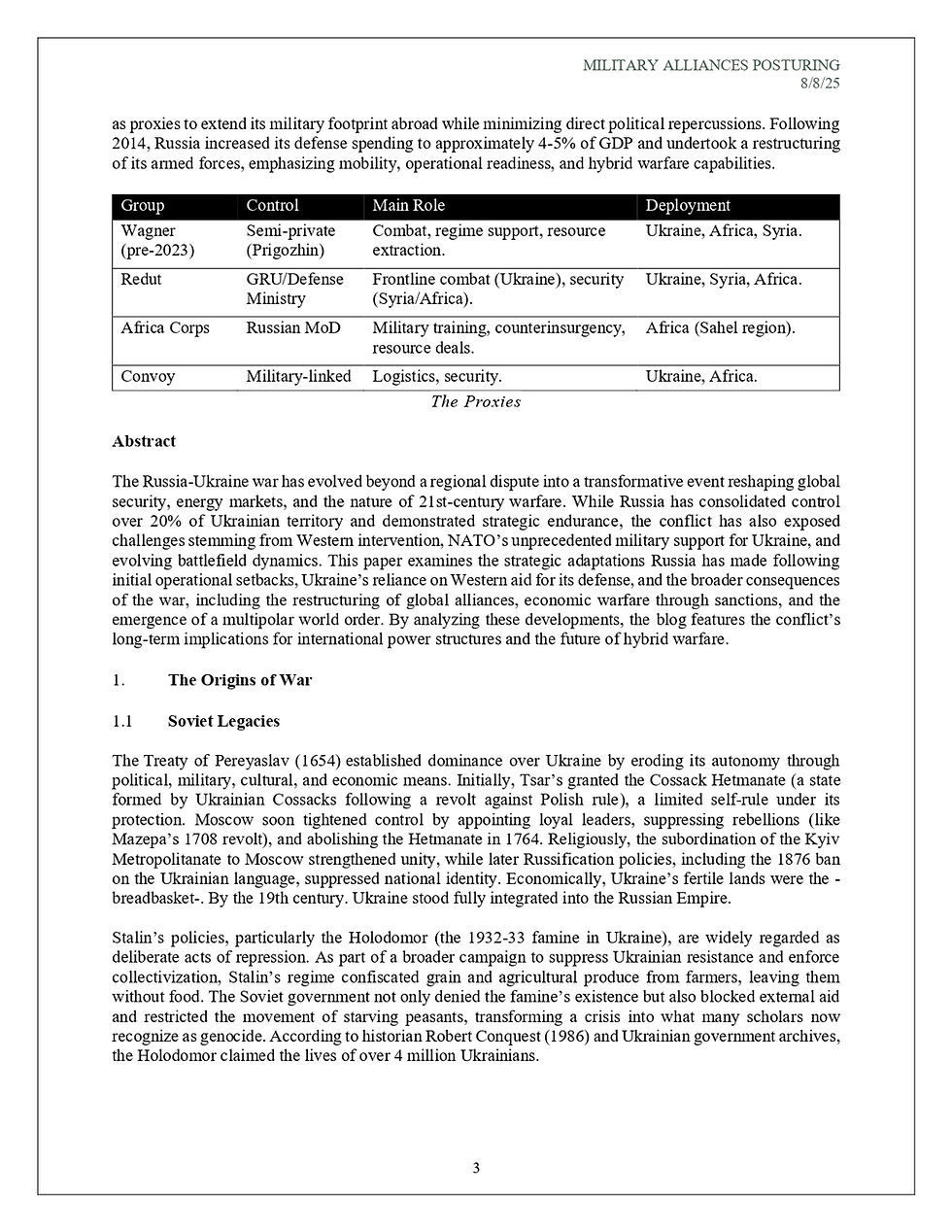
The Russia-Ukraine war has evolved beyond a regional dispute into a transformative event reshaping global security, energy markets, and the nature of 21st-century warfare. While Russia has consolidated control over 20% of Ukrainian territory and demonstrated strategic endurance, the conflict has also exposed challenges stemming from NATO’s unprecedented military support for Ukraine, and evolving battlefield dynamics. This paper examines the strategic adaptations Russia has made following initial operational setbacks, Ukraine’s reliance on Western aid for its defense, and the broader consequences of the war, including the restructuring of global alliances, economic warfare through sanctions, and the emergence of a multipolar world order. By analyzing these developments, the blog features the war’s long-term implications for international power structures and the future of hybrid warfare.













Free Publication | |
DRASInt Mandates | |
Testing and Certification


📞 Contact Us for free Consultation
Phone / WhatsApp | +91 82904 39442 |
Website | |
Detection | Research | Analysis | Security | Intelligence

🚀Innovate, Navigate, Thrive!
DRASINT RISK ALLIANCE is the sole owner of the published content


Comments